
When people talk about a closed species, they mean a species that is “locked” by its creator. You can’t just make your own character in that species whenever you want.
Instead, you need to ask for permission, join a group, or pay for an official design slot. Closed species are very popular in furry art and adoptables. There, people like to collect and trade designs. Many of these species look like furries because they are animal based or animal inspired. But a closed species can be any type of fantasy creature, not only furry ones. Asking for permission can be as simple as messaging the creator or filling out a form on their site, while some species require you to join a specific server, website, or group page first. Paying for a slot or design doesn’t just get you a character. It’s often how you support the artist’s time and the ongoing work of running events or masterlists.
You don’t have to be an expert character creator to join in on the fun, though! Adoptables are pre‑made character designs that artists create and put up for others to “adopt” and use as their own OC. Instead of designing a character from scratch, you pay the artist (or sometimes trade art) and then you get the right to use that design in your stories, art, or projects. Think of it a bit like buying a digital trading card, except this “card” is a character you’re encouraged to draw, write about, and develop.
To navigate these spaces confidently, it’s useful to have a quick vocabulary toolkit for the terms you’ll run into most.
Know-Your-Vocab Corner
- Closed species: A fictional creature type where you can only make a character with the creator’s permission. Usually, this is done by buying or earning a slot.
- Open species: A fictional creature type that anyone is free to make characters of. Artists should still follow any basic guidelines the creator sets for the species, though.
- Masterlist: An official online list that records every approved character of a species. Plus, it includes who owns them, and often links to their designs.
- MYO: Stands for “make your own”. It’s a special slot that lets you design your own character of that species.
- ARPG: Stands for “art role‑playing game”. Here, you draw or write about your characters to participate in events, tell stories, and often earn in‑world rewards or currency.
- DNI: Stands for “Do Not Interact”. Some people create DNI lists to prevent interactions with certain users to prevent discomfort. Think of it as digital boundary setting. For example, NSFW creators will often put minors on their DNI, since they don't want underaged people to see their art.
- NSFW: “Not Safe for Work”. This covers anything that could be seen as inappropriate. The golden rule is that if you would mind your boss seeing it, it’s NSFW. NSFW art includes sexual themes, drug use, or other topics that aren’t appropriate for all ages.
How Closed Species Work
Closed species are like VIP clubs for characters. You can’t just walk in and make one any time you want. The creator holds the keys and decides who gets to join.
To get in, you might need an invite, a paid slot, or direct approval from the creator. Sometimes, you can just buy a finished design. Other times, you get a special ticket that lets you make your own character. That ticket is called a MYO slot, which stands for “Make Your Own.” These are often limited. (Think about it. Closed species are all about being exclusive. So, if there’s endless MYO spots, that exclusivity quickly goes away.) You can earn MYOs from ARPG events, auctions, raffles, or lotteries the creator runs. After your design is checked and approved, it gets added to the masterlist. Once that happens, congratulations! It’s an official member of a closed species.
Well, if there’s such a limit on closed species, how does the creator keep track of all the members of the species? That’s where the masterlist comes in. It shows every official character, who owns it, and what traits it has. Often, it lives on sites like CharacterHub, Toyhouse or DeviantArt. This way, anyone can peek in and see which designs are real and ready to trade.
Let me let you in on a little secret: you really can create an OC of a closed species without permission. No one can stop you from putting pen to paper and drawing what you’d like. However, in art communities, best practice is to always show respect to artists. Plus, your OC won’t be included in the masterlist for that species. Masterlists are often public, so other users can look up and verify if your OC is legal or not. So, you won’t be able to share it in art communities without people knowing that it’s not an official OC of that species. It’s kind of like breaking the rules of a game. It takes the fun and magic out of the game for the other players. That’s why there’s such controversy about closed species. Some people don’t understand why others get upset if they make an OC of a closed species without permission.
The good news is that you can choose what works for you. You can join closed species and enjoy that structure if it feels fun. Or you can focus on open species and fully original designs if you want less focus on rules.
Closed species may seem like rules for the sake of rules. However, they really have an important place in character based spaces. Firstly, they’re a fun way to interact with other creators and get social. Secondly, rules don’t have to make something more difficult or boring! Rules can actually enhance your creativity. So, give them a try before you knock ‘em!
Who Can Create or Own One
With closed species, the creator decides who can join in with new characters. You can’t just design one out of the blue and call it official. You need to be approved first.
A lot of people join by buying or adopting ready made designs. When you adopt a character, you are not just getting a picture. You’re getting the right to use that design as your own. It's similar to adopting a virtual pet that someone else designed. Now you get to write its story, draw it, and include it in your projects. However, it’s still good practice to include who originally designed the character in its profile. Some artists don’t require this, so doing so depends on the situation. I recommend erring on the side of giving credit, though.
To make your own closed species character, permission is key. Some creators are happy to say yes if you ask nicely. Others offer paid spots or specific forms you must fill out. Most species have clear guides on who can create what. Let’s say something feels unclear. Choosing respect and asking first is always the safest path. Plus, you can always reach out to members of the community for clarification or support! Remember, you’re not alone in this.
Why Artists Use Closed Species
Closed species are great for building a shared world. When lots of people make characters in the same species, it feels like everyone lives in one big story. You can trade art, write lore, and talk about your characters together. It feels like joining a club where everyone speaks the same “character language.”
Closed species also help artists manage how many designs they make. When there is high demand, rules and limits keep things from feeling too crowded or rushed. That way, the artist can focus on quality instead of trying to please everyone at once.
The rules also keep the species designs looking consistent. Since you have to pay or get permission to join, you are more likely to stick to the guide. Plus, you’re more likely to put more work into something when it’s harder to access. So, there’s bound to be few high quality designs versus a ton of low effort ones. The rules are not there to kill the fun. They are there to shape your ideas and give you a playground to explore.
Believe it or not, limits can actually boost creativity. They can even spark more ideas than total freedom. Think about a blank sketchbook page. It looks clean and full of promise. But when you sit down to draw, it can feel overwhelming. Too many choices mean your pencil stays still. What if you pick the wrong idea? What if nothing works? What if it looks ugly?
Add just one line, and the magic starts. Your brain grabs that line and runs with it. It might become the swoop of a bird wing. It could be a castle tower reaching for the sky. Perhaps it's steam rising from a potion bottle or the bend of a creature's horn. That single mark gives you something solid to build from.
Closed species do this perfectly. Their rules are like that first line on the page. You get a clear set of traits, limits on colors, or ideas about body shape. Now your job is to take those pieces and make them sing. You can twist familiar rules into fresh designs. The limits push you to get clever instead of wandering lost in options. This is where the true magic of closed species lies. It’s why artists follow the rules. Not because they have to, but because they choose to. It’s like a fun challenge instead of an assignment.
Cloakats: A Case Study on A Closed Species
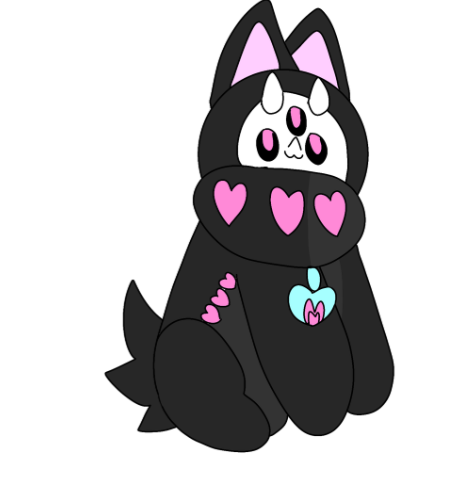
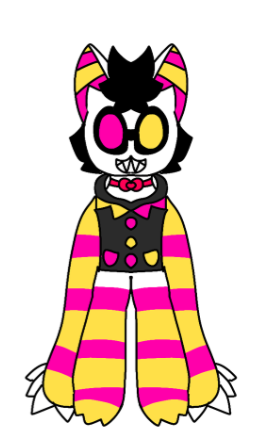
Cloakats are a closed species of bat-like, marsupial creatures. They have stretchy, rubbery arms and claws. Their look is inspired by cloaks and bats, giving them a cozy but spooky vibe. The artist Clarrisawoods created them around 2021 and still runs the species today.
Over time, Cloakats grew into a lively ARPG, or Art Role Playing Game, group. Players can join on different sites. There, they can earn MYOs, pets, and in game currency by doing over 50 free monthly activities. On top of that, Cloakats have their own website where you can sign up, explore traits, and jump into the community. This whole setup creates a busy little world. It’s a land filled with trading and events. Plus, wonderful stories about a crystal powered island where Cloakats live together.
You can even bring your Cloakats onto CharacterHub. Just like any other OC, you can make a character profile for your Cloakat there and show off its art, lore, and stats. It's a fun way to keep all your Cloakat info in one place and share it with friends.
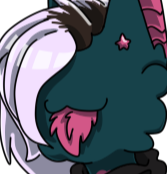
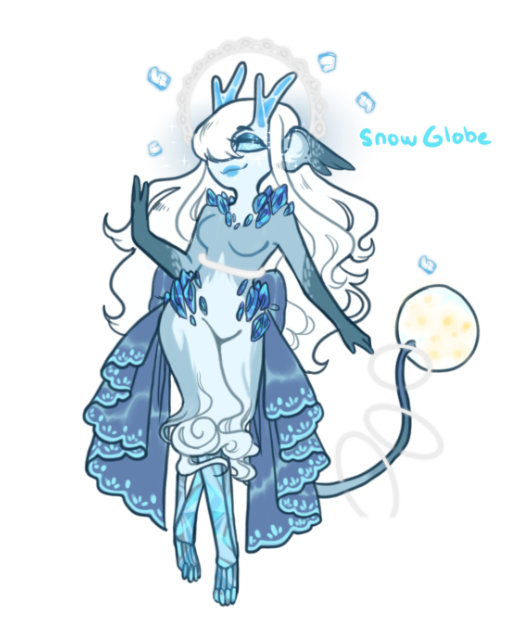
In fact, let’s take a look at some awesome Cloakat creations from CharacterHub!

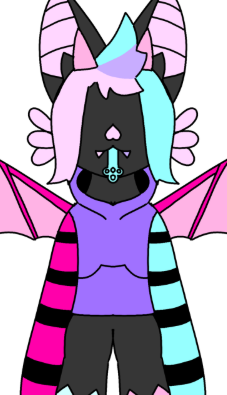
Getting Into Closed Species the Right Way: What You Need to Know First
Understanding the Ground Rules
Every closed species comes with its own set of ground rules. Each creator decides what is allowed, what is not, and how people should treat the species. Reading those rules is one of the first steps before you join in.
Sometimes, rules don't just cover characters. They also cover who a creator feels safe around. That is where “DNI” or “Do Not Interact” lists come in. A DNI is a way for someone to say, “Please don't comment on my posts or follow me if you fit this group.”
For example, many NSFW creators will say “DNI if you are a minor.” They don’t want kids interacting with their adult content. It’s a situation where the artist could feel very uncomfortable. A DNI helps them set that boundary in a clear, visible way.
DNI lists can exist for many reasons, but the core idea is always the same. The creator is trying to protect their comfort and safety. When you see a DNI, the respectful thing to do is follow it, even if you are curious.
Staying Active in the Community
Participating in a community brings a whole new level of fun to making characters. You can join chats, post art, or share little stories about your characters. Even simple updates can help you feel more connected. Plus, who doesn’t love support and feedback from other awesome art peeps?!
The joy of character creation is compounded by people around those characters. Events, art trades, and casual talks help online spaces grow and stay lively. When everyone joins in, the whole community feels more alive.
So, stop lurking! Get out there and do some posting! Try commenting, posting, or joining an event when you can. You never know how your art can impact someone else. It can inspire them, bring them joy, and even brighten their day. Plus, leaving a kind, supportive comment on someone’s character might make them feel seen and valued in the community.
When you start talking about your own characters, you unlock a whole new layer of fun. You will meet people who love your ideas, share their own, and maybe even build stories together with you. Before you know it, you are not just making characters. You are building a little world with friends who are just as excited as you are about art.
Buying, Selling, and Adopting: The Closed Species Marketplace
How to Buy or Adopt
Artists often use marketplaces or auctions to sell and trade characters. You can scroll through listings, place bids, or buy them outright. It all depends on how the seller sets things up. It feels a bit like browsing a shop made just for OCs.
You can find characters to adopt through a few different channels. Official listings, creator posts, or species hubs are just a few. Before you buy or adopt, always check the species rules. Some rules limit how you can trade, redesign, or use the character. Knowing those rules first helps you avoid surprises later. Plus, it’s super important that you know what you’re buying so you can use your new character exactly how you’d like to.
Listings often include a character design sheet, a written profile, and some lore. Not every listing will have all three, but you will usually see at least one of them. These details help you decide if that character is a good fit for your ideas.
Characterhub’s Built-In Marketplace
CharacterHub’s built-in marketplace is a handy place to list and discover characters. Artists can post their designs, set terms, and manage offers all in one spot. Buyers can browse by category and quickly see what is for sale, up for trade, or totally free.
On CharacterHub, you can use USD or gems to pay for characters, depending on the listing. Some designs are even marked as free, often in exchange for art trades or other creative swaps. That makes it easy to join in even if you are on a budget.
You can set up either auctions or simple “buy it now” style listings. Many people use auctions for commissions and high demand characters, but you don’t have to. If you choose an auction, bidders can compete for the rights to your OC right on the site.
When you list a character as an auction, you have a couple things to decide. First, you’ll set a starting price and how long the auction will run. You can let it go anywhere from 1 to 30 days. You also have to state usage terms for the character. You’re totally allowed to set specifications on how your character is used. Some people don’t want gore or NSFW of their OC being drawn, for example. So, it’s important to make those boundaries clear before selling your character. Buyers place their bids directly on the listing, so you can watch offers climb in real time without juggling DMs. When the auction ends, you just pick the winning bid and transfer the character through the site tools. It’s the same bidding style people already know from social media adoptables, but with clearer records and less confusion.
CharacterHub also includes smart tools that help you sell and trade safely. You can transfer character ownership between users with just a few clicks. No more long emails or confusing handoffs. The site handles the paperwork for you.
The Marketplace on CharacterHub is fair to all. The Marketplace on CharacterHub keeps everything super fair for buyers and sellers. Sellers can post their stuff for free and pocket every single dollar they earn. Buyers just chip in a quick 10% fee to keep the lights on. You pay upfront when the order kicks off, so sellers get their money via Paypal once they deliver the goods. Cool, right?
No AI art or writing for sale, and NSFW listings should be flagged. (CharacterHub is for all ages, so there’s no room for NSFW here!) For cancellations, we check the work done. You’ll get a full refund if nothing is shared or late. However, refund amounts can also be adjusted based on the work the artist put into the project. The goal is to be fair to artists and buyers.
Marketplace terms and rules are in place to protect both buyers and sellers. Clear guidelines mean fewer arguments. Everyone knows what to expect upfront.These steps make trades clear and fair. Buyers get proof of ownership. Sellers get paid quickly and know their designs go to the right person. Built in tracking shows who owns what at every step.
This setup helps everyone feel more secure when money and designs are on the line. You can focus on creating instead of worrying about scams or mix ups. Safe trades build trust, and trust keeps the marketplace busy and fun for all.
Let’s walk through using the marketplace together. From the CharacterHub home page, navigate to the marketplace on the left of the screen.

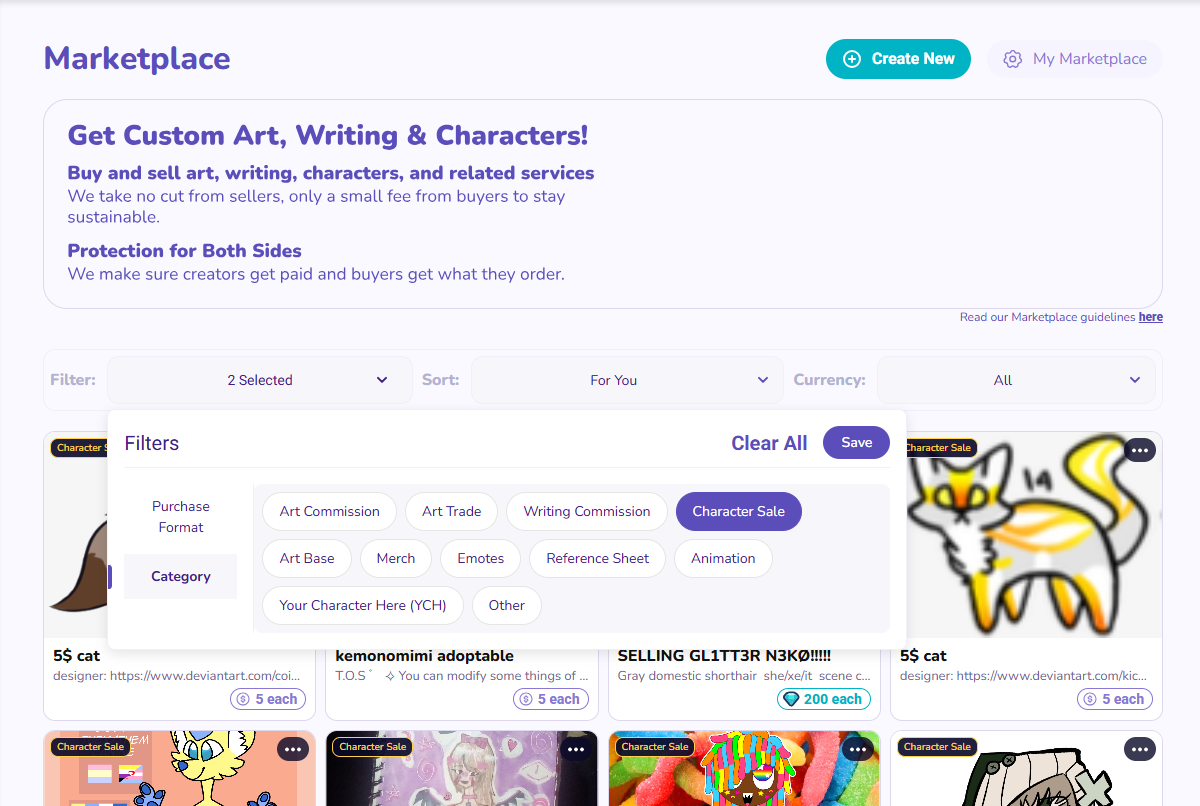
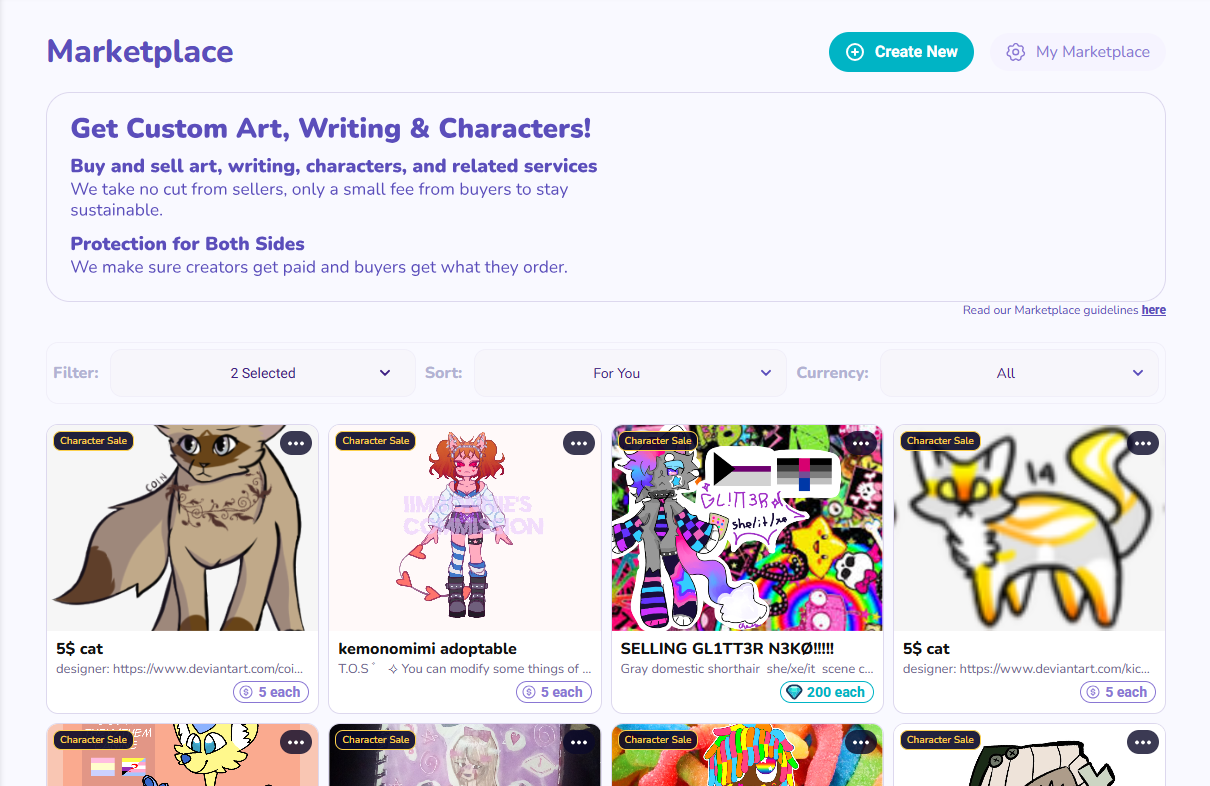
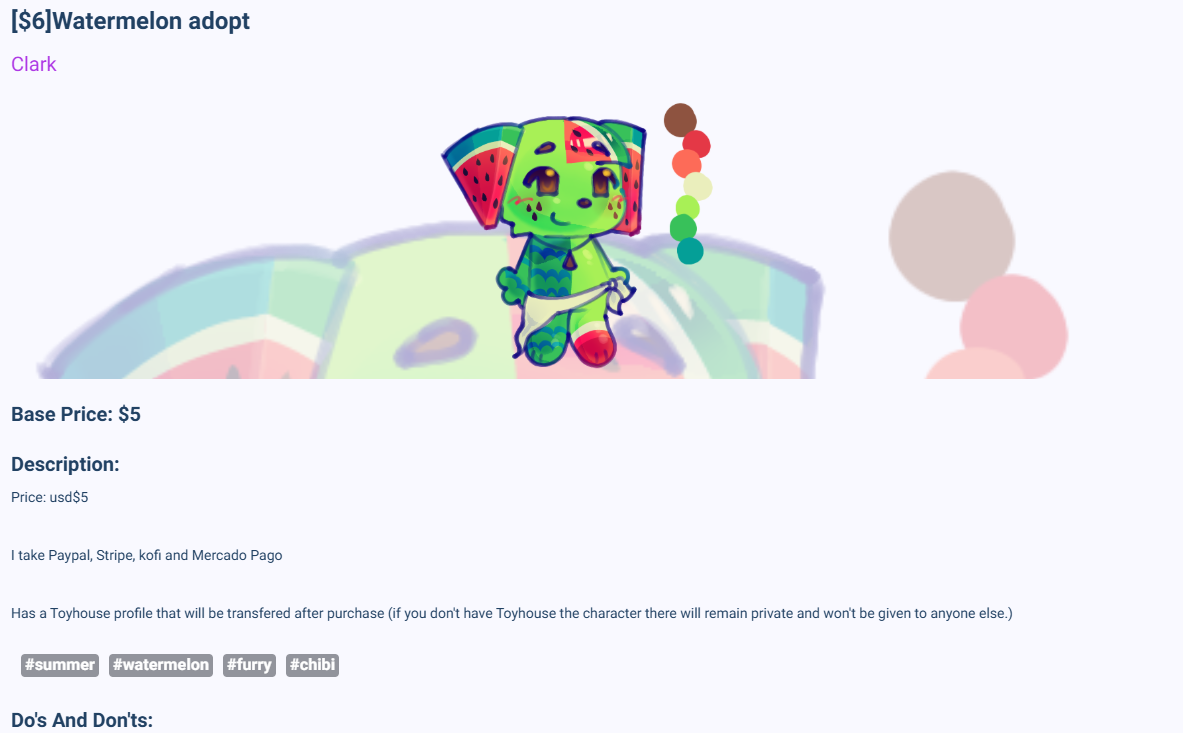
Like real life adoptions, character adoptions can have some rules and restrictions. Everyone’s boundaries are different. So, every artist’s ‘Do’s and Don’ts’ for their adoptable character will be different, too. For example, this creator does not allow their characters to be used to train AI or create NFTs. However, other creators may not mind these things. It all depends on the artist’s morals and values.
Let’s take a look at an auction, too. Here’s one that’ll end pretty soon, but some auctions can go on for up to 30 days. This listing’s currency is in gems, which is CharacterHub’s currency. All you have to do is click a button to place a bid. It’s as simple as that to bid on your next adopt!

How You can Use Characterhub for Exploring Closed Species
Examples of Closed Species on CharacterHub
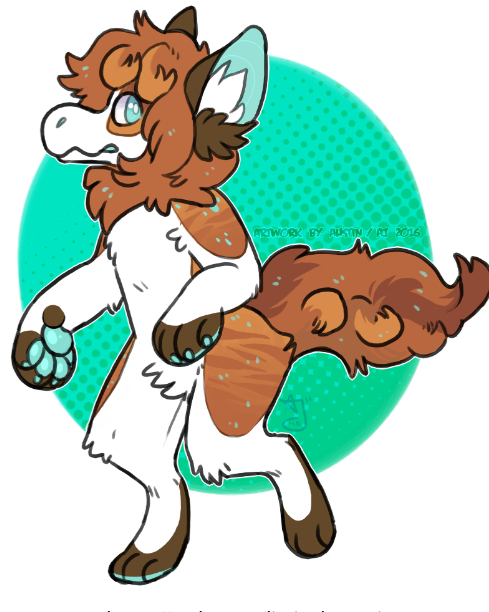
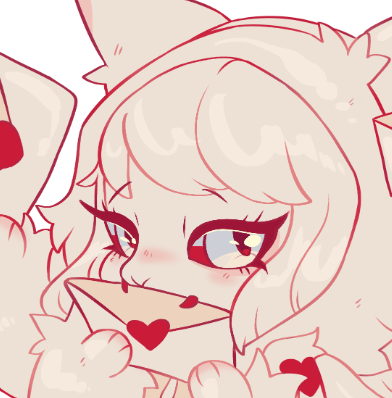
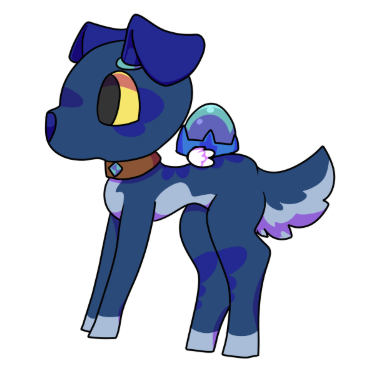
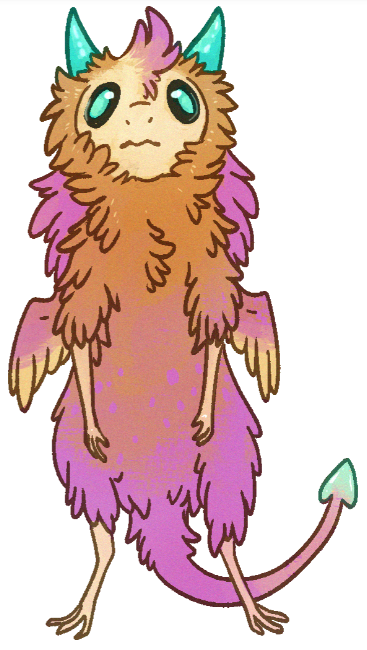
Let’s take a look at some closed species characters! First, navigate to the top right section of CharacterHub to find the search bar.
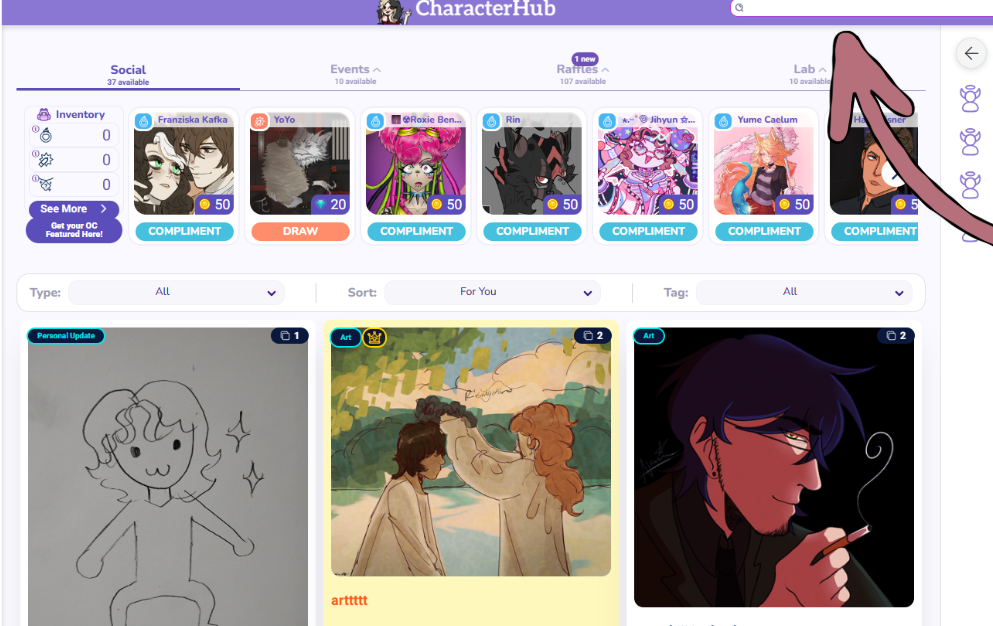
Great! Now, we can see all the characters tagged with “closed species”. This won’t show every single character that’s part of a closed species, since some creators don’t tag their character. So, when you find a creator that makes closed species characters, give their profile a look. Maybe they’ll have more you can see there!
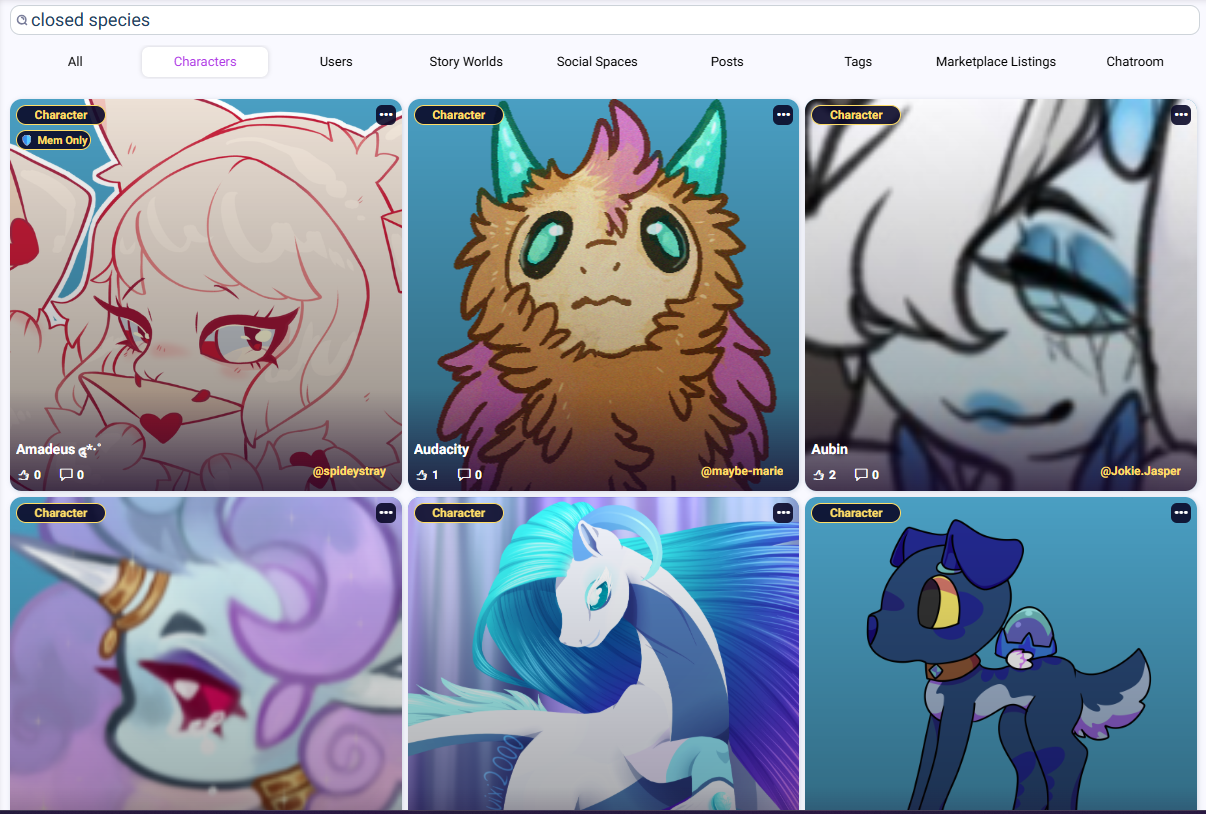
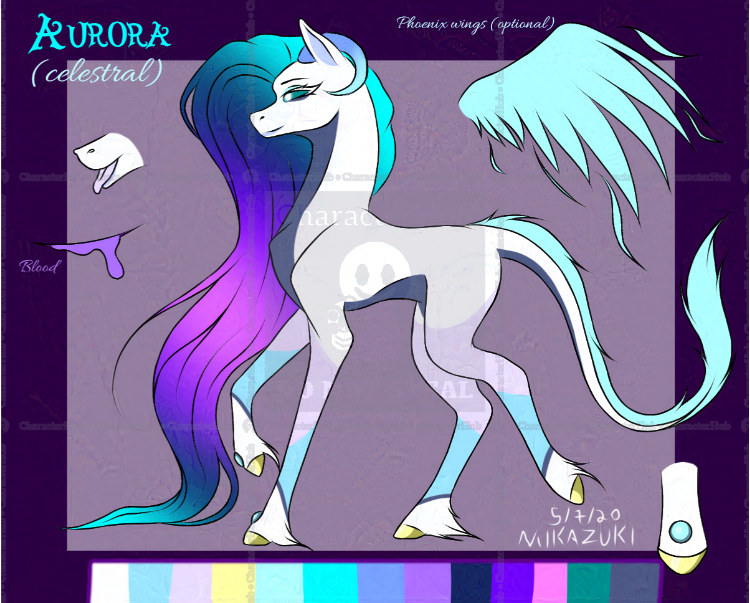
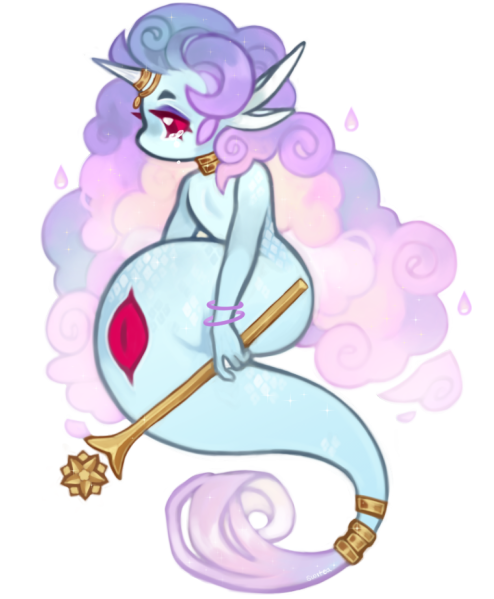
Now let's scroll through some of these awesome closed species characters and see what cool designs people have made.
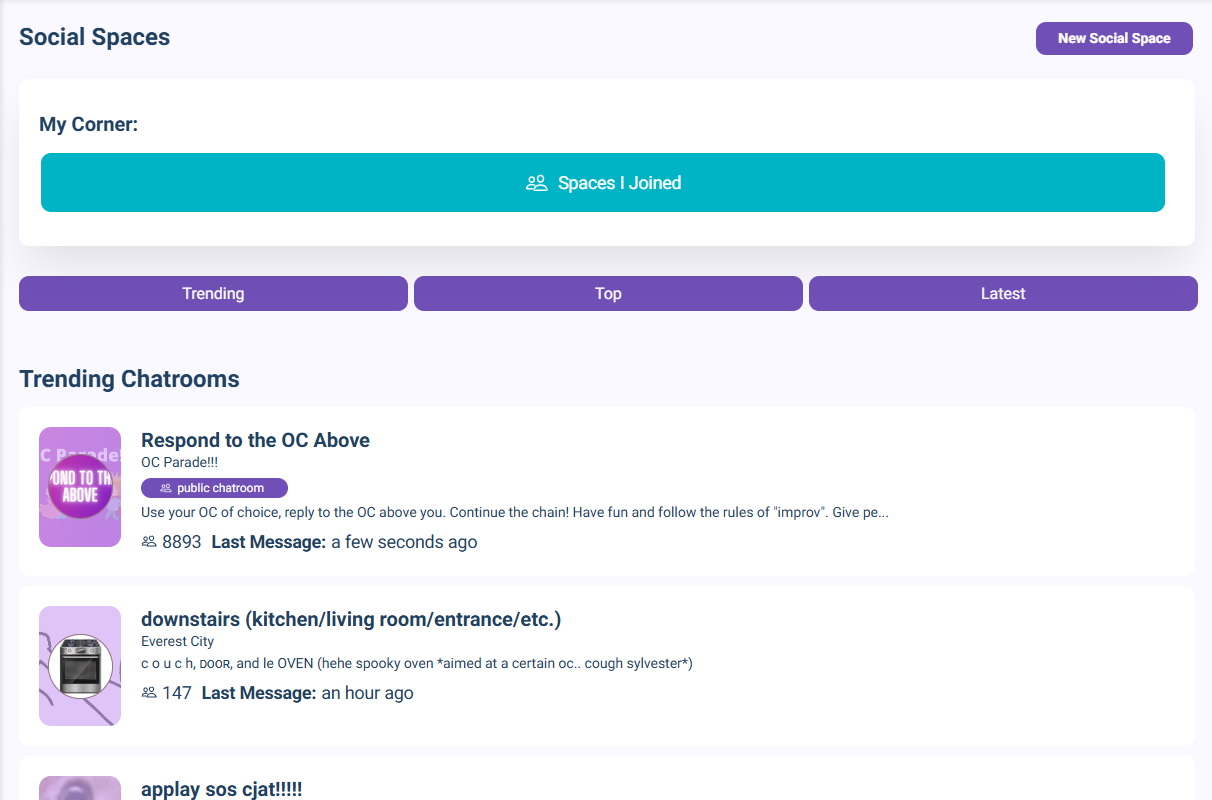
Social Spaces on CharacterHub
Character creation is most fun in a community. So reach out and share what you are making. You can explore artist chat rooms in CharacterHub's Social Spaces. There are lots of them. With over 500,000 artists on the platform, you are bound to find someone to talk to. Maybe you will even meet a new friend!
You can also create your own custom chat rooms to focus on certain topics or groups. Want a quiet space just for you and a few friends. Make a private room. Use it to chat about closed species you love. Plan fun events together. Share your new character ideas too.
From the CharacterHub home page, click on the Social Spaces icon on the left of the screen.

Join the Fun and Create with CharacterHub!
If all this talk about closed species has your brain buzzing with ideas, why not give CharacterHub a try? CharacterHub is home to a huge community of artists. It offers weekly challenges and big events like Art Fight. You can join countless chatrooms in their Social Spaces. Or, adopt a new OC in the marketplace! The wide variety of activities available keep things fresh, fun, and exciting. You can store your OCs, trade designs, and join in on community fun all in one place. Go to characterhub.com now. Explore the site. Share your characters. Connect with other creators today!
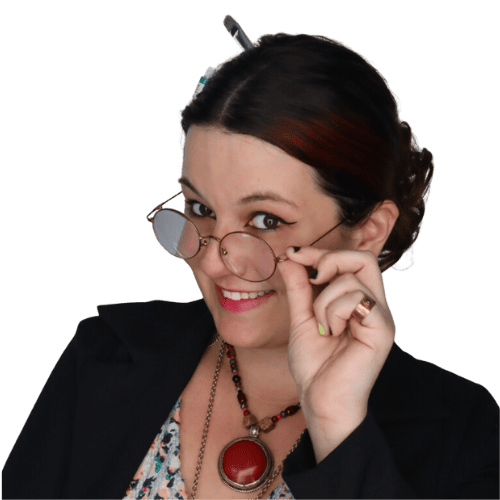
Scarlett Bittle
With a pencil as her magic wand, Scarlett Bittle aims to spread the magic of creation to the world. She’s a multimedia artist, with experience experimenting with a spectacular spectrum of mediums. If you’re drawn to see more of her work, check it out on her instagram.
Find Out More
.png)
