.jpg)
The Perfect Place to Begin Your Daggerheart Build
Let’s face it, starting a new character sheet can feel like a big step. But Daggerheart makes the process fun right from the start. You may be familiar with character sheets from Dungeons and Dragons. These are similar in many ways, but this game has its own style. So, your sheet is built to match how the game really works.
Built for This Game, Not Just Any Ol’ RPG
Daggerheart is different than DnD in many ways. In DnD, you often focus on a d20 roll, hit points, and armor class. In Daggerheart, the game leans more into story and choice. You roll Duality Dice, which use Hope and Fear to shape what happens next.
That change matters. A lot. Hope can help you power special moves and support your team. Fear can push the story into harder spots and give the GM more to work with. Stress is also a big part of the game, and it shows when your hero is shaken up, not just badly hurt.
Armor works in a new way, too! It uses thresholds and slots, so it feels more like soaking damage in steps than just having one big number. On top of that, your ancestry and community shape who you are from the start, so your sheet helps tell your story as much as it tracks your stats.
Get Ready to Build Your Hero
Now it is time to start building. Grab a blank sheet and get ready to shape your hero from the ground up. Need a character sheet? No problem! You can use the one featured in this article. Download your free Daggerheart character sheet in fillable pdf form right here! Or, if you’d rather print it off and fill it out physically, grab the blank pdf here.

It helps to think of the sheet as your hero’s home base. Everything important gets its own spot. Once you understand the sections, the whole sheet starts to feel understandable instead of overwhelming. As you fill in the sheet, you will get used to how it flows. Then, referencing it during a game will be easy!
Don’t forget that your character’s personality matters, too. A cool build is nice, but a character also needs a real heart. CharacterHub can help with that by giving you a place to keep your sheet, art, references, fanart, moodboards, and more all in one profile.
No Pressure, Just Pure Hero Making Fun
Character building works best when you let yourself have fun with it. Your first version doesn't have to be the final one. (It very rarely is!) In fact, it is often better if it is a little rough at first. That gives you room to change things as your idea grows and your character evolves.
Feeling stuck on character creation? Maybe all you need is a little inspiration! Good ideas can come from many places.
You could also try copying someone else’s character. No, really. Artists have always learned by looking at other artists. Some “copied” already existing art as practice. (Or, you can pick and choose elements that inspire you and make your very own Franken-character! For some people, this is a great exercise in getting creative juices flowing, but this method can result in totally fleshed out characters for others! So, why not give it a try?) Others used older pieces as a base for something new. Manet, Duchamp, and many modern artists all did this in their own ways.
Another famous artist/copycat was Van Gogh. He copied many paintings for many different reasons. Sometimes, it was to enhance his artistic skill by learning new techniques. Other times, he was just inspired.

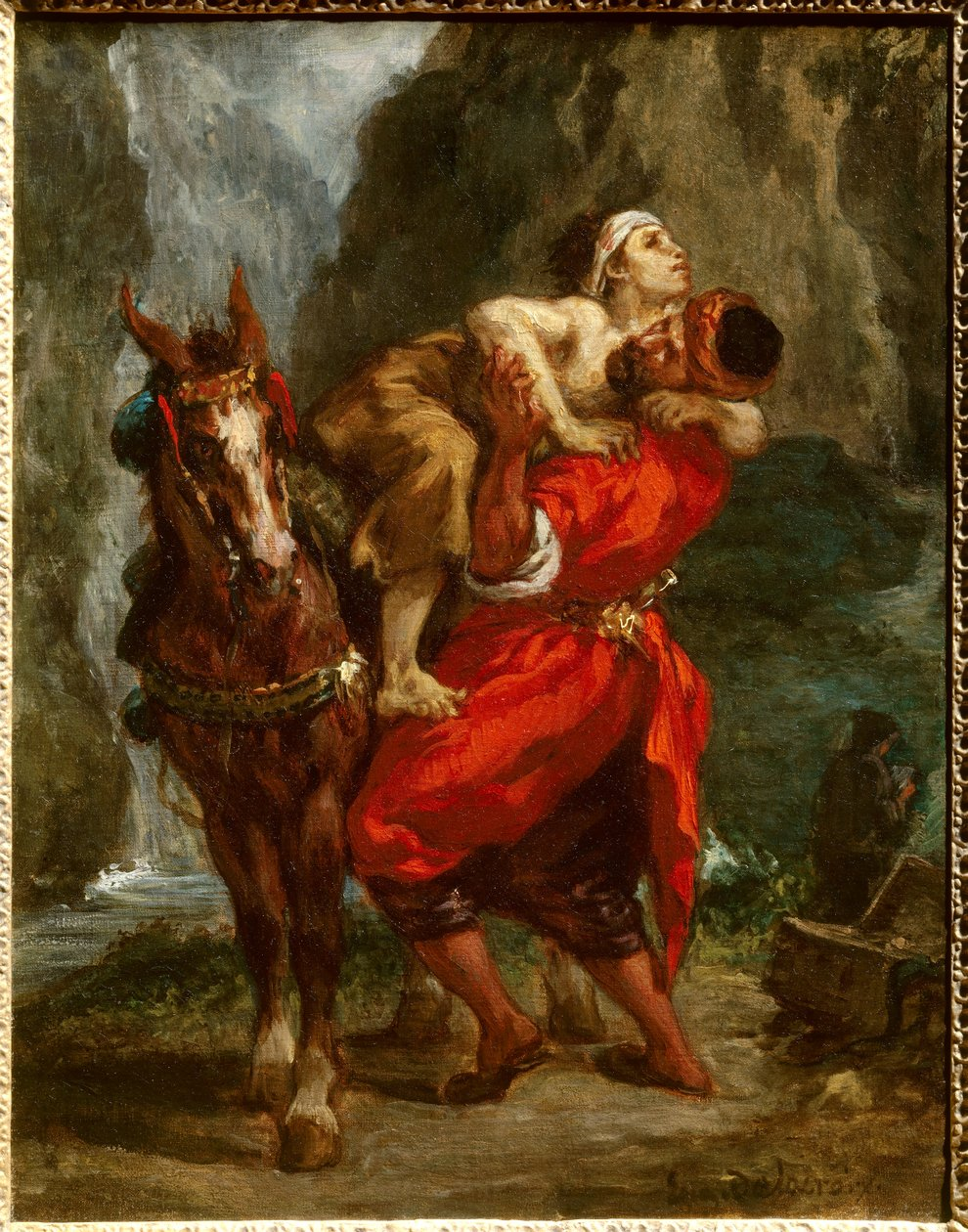
That same idea can help readers who are building characters. You don't need to start from nothing. You can take a little from a favorite outfit, a hairstyle, a weapon, or a personality trait and make it your own. The key is to mix and change enough so the final result feels fresh. This is where inspiration becomes powerful. It gives you a place to begin when your mind feels blank.
A small practice scene can help too, for refining your character. Put your hero in a tough spot and see what they do. That simple test can help you figure out their voice, style, and personality before you finish the sheet.
Easy Ways to Start a Character When You Feel Stuck
Sometimes the hardest part of making a character is just getting started. You know you want to create someone new, but the page feels empty. That can feel frustrating. The good news is that you don't need a perfect idea right away. You only need one small place to begin.
A great first step is to pick one detail. It can be almost anything. A scar. A hairstyle. A favorite color. A weird habit. A job. A tiny detail can lead to a much bigger idea. For example, a character who always wears gloves might be hiding a secret. A character who carries snacks everywhere might be thoughtful, nervous, or both. One small choice can open the door.
You can also start with a feeling. Ask yourself what kind of mood you want this character to give off. Do they feel brave, shy, angry, sweet, calm, or messy? A feeling can shape everything else. It can guide their voice, clothes, posture, and even the way they treat other people.
Another simple trick is to begin with a role. Think about what this character does in the story. Are they a healer? A fighter? A thief? A leader? A scholar? A role gives your character a frame to build on. Then you can add more details that help the role feel real.
If that still feels hard, try starting with an object. Maybe they always carry an old coin, a lucky charm, a book, or a weapon. Objects can tell a story fast. They can point to the past, the personality, or the kind of life this character has lived. A character with a worn notebook feels different from one with a bright jeweled sword.
You can also build from a single question. What does this character want? What are they afraid of? What made them change? What do they care about most? You don't need to answer everything at once. Just one answer can give you enough to keep going. Once you have that, the next detail often comes easier.
A fun way to make things easier is to use opposites. Give your character two traits that clash in a good way. A tough fighter who loves flowers. A quiet kid who is weirdly bold in battle. A serious person with a silly hobby. These combos make characters feel more alive. They also help you avoid making someone too flat or plain.
You can also start from the outside and work inward. Think about what they wear, how they stand, and what stands out about them. Are they neat or wild? Bright or dark? Fancy or practical? Their look can help you figure out their personality. A sharp, clean style feels very different from a messy, worn-out one.
Backstory doesn't need to be long. Start small. Maybe they grew up in a busy city. Maybe they left home too soon. Maybe they lost someone important. Maybe they want a fresh start. A few simple facts are enough. You can always add more later.
If you still feel stuck, make a bad first draft on purpose. Give them a rough name. Pick a class. Write down a few traits. don't judge it yet. The goal is to get something on the page. You can fix the rest later.
Characters don’t have to arrive fully formed. They can start as a spark. Then you can shape them into something stronger one step at a time.
Breaking Down the Essential Daggerheart Sheet Sections
Key Parts of a Daggerheart Sheet
A Daggerheart character sheet is your hero’s home base. It keeps all the important parts of your character in one place, so you can play faster and with less confusion. (Kind of like a mini character profile!) The top section tells you who your character is. The middle section shows how they act. The lower areas keep track of gear, growth, and the details you will need as the game goes on.

The top part, labelled with purple, is where you find your character’s identity. This usually includes their name, class, ancestry, community, and other key basics. These parts matter because they help shape your hero’s story and give you a clear idea of who they are before the action starts. If you ever need a quick reminder of your character’s vibe, this is the first place to look.
The skills section, blue, is where the action lives. This section usually holds your main traits and other numbers that help you during risky moments. Traits like Agility, Strength, Finesse, Instinct, Presence, and Knowledge tell you what your character does well. When you need to make a move, talk your way through trouble, or act under pressure, this is the part of the sheet you will check.
The gear zone, green, keeps track of what your character carries. That includes weapons, armor, and other useful items. This area helps you remember what is ready to use and what your character has packed for later. In the middle of a game, this section can save time because you don't have to stop and think about what you brought with you.
The orange experience area shows how your character grows. As the game goes on, this part helps you remember what you have unlocked and how your hero has changed. It is a good way to track progress, new powers, and long-term choices. Over time, this section becomes a record of your character’s journey.
If you think of the sheet like a map, it gets much easier to use. The top tells you who you are and the next tells you how you act. The gear zone tells you what you carry, and the advancement area tells you how you improve. Once you know what each part means, the whole sheet feels a whole lot less overwhelming.
Pick your class and traits
Choosing a class in Daggerheart is a big moment because each class gives your hero a very different job. Bard is all about charm, music, and support. Druids bring nature magic wherever they go and a close bond with the world around them. Guardian is the shield of the group, while Ranger is great at tracking, hunting, and fighting from a distance.
Rogue and Warrior both bring strong action, but in different ways. Rogue is fast, sneaky, and smart with sneaky tricks. A Warrior is direct and steady, with a style built for hard hits and front line fights. A Seraph adds holy power and healing, while Sorcerer brings raw magic that feels wild and bold.
Wizards are the book-smart spellcasters of the group. They lean into esoteric knowledge, clever spell use, and big magical problem solving. No matter which class you choose, your traits help shape how well your hero does their job. Daggerheart also lets you mix classes later, which makes room for even more custom builds.
Add backstory and experiences
Backstory is where your hero starts to feel real. In Daggerheart, your ancestry can spark where they came from, what shaped them, and how they see the world. That gives you a strong starting point before the game even begins.
Community questions help fill in the rest of the picture. They can show who raised your character, where they lived, and what kind of life they had before the story started. These little details may seem small, but they can say a lot about your hero.
Experiences are where your character’s past turns into game help. They give you useful bonuses when your hero does something tied to their history. That makes your backstory matter during play, not just on paper.
Party connection questions are important too. They help link your hero to the rest of the group. This gives your team a reason to feel connected, which can make the story stronger and more fun.
Core Stats and Life Trackers
This section of the Daggerheart sheet keeps the numbers you will use most during play. It shows how strong, quick, clever, or steady your hero is. It also tracks how much pressure they can handle before things get rough.
The six traits are Agility, Strength, Finesse, Instinct, Presence, and Knowledge. Agility covers speed and fast moves. Strength helps with raw power. Finesse is for careful hands and tricky tasks. Instinct is for gut feelings and quick reactions. Presence helps with charm and force of personality. Knowledge covers learning, memory, and smart thinking.
Hope is one of the brightest parts of this section. It fuels your best moments and can help your character push through hard scenes. When Hope is up, your hero feels ready to act with confidence.
Stress shows mental strain and pressure. It is not the same as health. A character can be stressed without being fully hurt. This makes Stress feel more like nerves, shock, or being pushed too far. It helps the game show how a hero is holding up on the inside.
Armor slots help soak incoming damage. They give your character another layer of protection before things get worse. That means your hero can stay in the fight longer, but still feel the strain of battle. When you look at this part of the sheet, you’re really seeing how well your character can handle danger.
Weapons, Armor, and Battle Gear
This part of the sheet is all about what your hero brings into a fight. It covers your weapons, your armor, and the extra gear that can save the day. If the core stats show what your hero can do, this section shows how they do it in the moment.
Your primary weapon is usually your biggest hitter. It gets the strongest damage die, so this is the weapon you will lean on the most in battle. Your secondary weapon is there for backup, which is great when your main plan doesn't work out.
Weapons can also deal different kinds of damage. Some are physical, while others are magic-based. That helps show how your hero fights and what kind of danger they are built for. Each weapon also lists a trait and a range, so you know what stat to use and how close you need to be.
Armor has its own job too. It lists thresholds and a score, which helps show how much protection your character has. Some armor gives Heavy or Flexible bonuses, so the type you choose can change how your hero moves and survives.
Domain cards fill your loadout slots and help shape what kind of abilities your character has ready. On top of that, there are a few basic items that are smart to keep around. Torch, rope, and gold are always useful. You also choose one potion and one special item, which can come in handy when the story gets tricky.
When you look at this section during play, it helps to think in layers. Your main weapon is your go-to, your backup weapon is your safety net, and your armor keeps you standing. The extra gear is what helps your hero feel ready for anything.
Using CharacterHub as a Visual Sidekick
CharacterHub and Daggerheart work well together because they both help you build a character that feels alive. Your Daggerheart sheet covers the rules and numbers, while CharacterHub gives you a place to hold the art, notes, and story pieces that make your hero feel real. That makes it easier to keep everything in one cozy spot.
Why CharacterHub Pairs So Well With Daggerheart
CharacterHub is great for storing the visual side of your character. You can add art, concept art, moodboards, fanart, and even a copy of your character sheet. That means you don't have to keep hopping between files and tabs just to remember what your hero looks like or how they were built.
It also helps with backstory. You can add notes about your character’s past, their goals, and the little details that make them feel unique. This works really well with Daggerheart, since the game already puts a lot of heart into who your hero is and where they came from.
Worldbuilding is another big plus. You can build a custom world and link your OCs to it, which makes your Daggerheart hero feel like they belong in a bigger setting. If you enjoy collecting, creating, or even buying and selling characters, the marketplace adds one more fun layer too. And since profiles are so customizable, you can make custom sections for any values you’d like to track and anything else you want to keep close.
Building a Living Character Profile Around Your Sheet
Your character sheet is only one part of the story. A living profile lets you build around it and keep adding new details as your hero changes. Concept sketches are a great place to start, since they help show what your character looks like right beside how they play.
From there, you can keep track of relationships and growth. Maybe your hero started out alone but found a team. Maybe they changed after a hard battle or a big win. Those details matter, and they make your character feel like they are really moving through the story. You can also put their big life events, wins, and losses in their own character timeline.
It also helps to share your hero with your group. When everyone can see the same details, it is easier to stay connected. A timeline of big moments is another simple way to keep your character’s path clear and easy to follow.
Level Up Your Roleplay Today!
CharacterHub can help take your Daggerheart roleplay to the next level. You can sync your sheets, art, and worlds in one place for a fuller and more fun experience. That makes it easier to keep your character’s look, story, and game details all tied together.
It also gives you a way to connect with other players. Social spaces let you make a custom chatroom where you can share whatever you want with your group. That can be great for planning stories, swapping ideas, and keeping everyone in the loop.
Best of all, CharacterHub gives you a lot of useful tools for free. If you want a simple way to keep your characters organized and your roleplay feeling alive, it is worth checking out at characterhub.com.

Scarlett Bittle
With a pencil as her magic wand, Scarlett Bittle aims to spread the magic of creation to the world. She’s a multimedia artist, with experience experimenting with a spectacular spectrum of mediums. If you’re drawn to see more of her work, check it out on her instagram.
Find Out More.jpg)